Desk-bylined analysis on top of DropForecast's own forecast data: cards, sneakers, sealed TCG and LEGO — every call graded in public.

The uncomfortable base rate behind resale: only a minority of releases ever clear retail on the secondary market. Building around that number, instead of ignoring it, is what separates a read from a guess.
Demand gets the attention, but supply decides the ceiling. Here is how print runs, allocation, and configuration set the hard limit a resale price can reach — read straight off public product facts.
Resale prices rarely jump without warning. Six public, trackable signals tend to precede the move — and the model watches all six because no single one is enough on its own.
A $180 sale is not $180 of profit. The gap between sold price and money-in-your-pocket is where most reseller margin quietly dies. Here is the full fee stack, venue by venue, and how to price against it.
The checklist is published before release and it tells you almost everything about whether a sealed product is worth buying to hold. Here is how to read pull structure, chase concentration, and print signals the way the secondary market will.
Retired LEGO sets and out-of-print sealed product follow a price curve that is boring, slow, and one of the most reliable holds in collectibles. Here is the shape of that curve and where the mistakes are made on it.
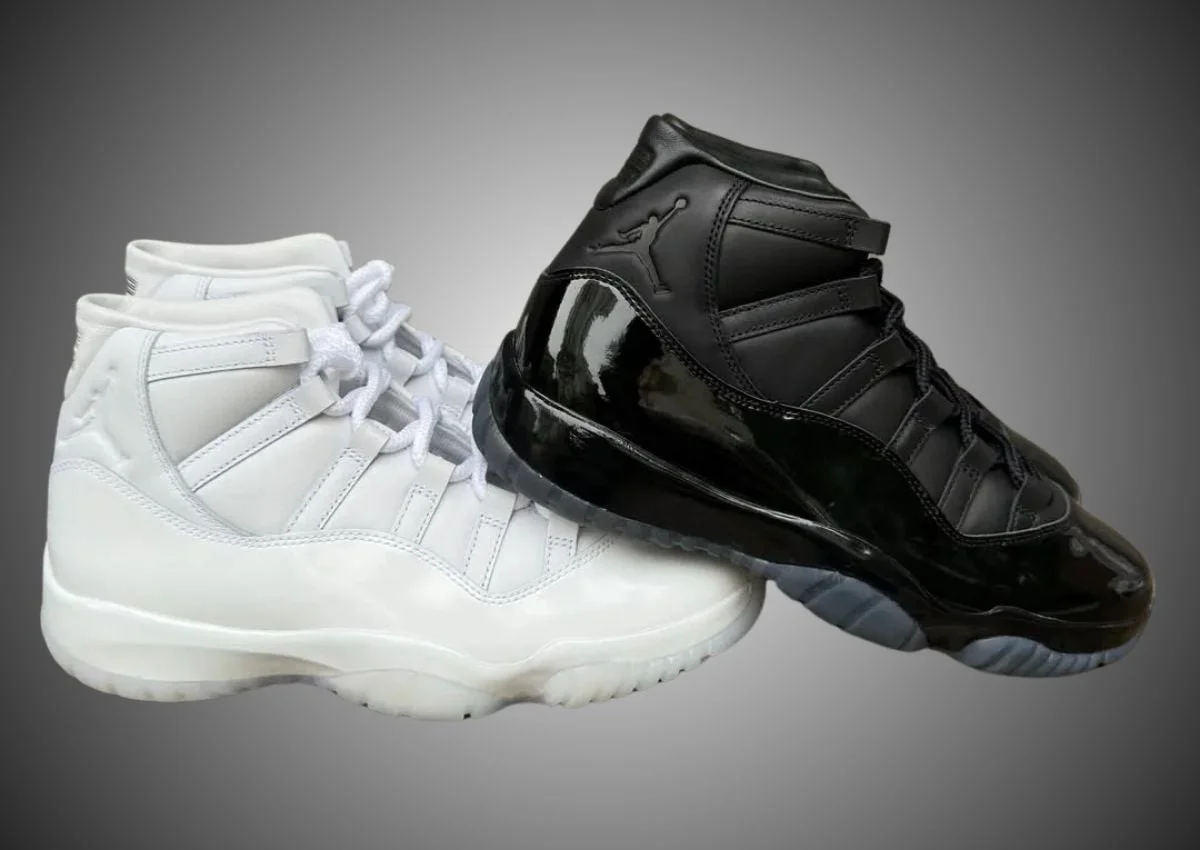
COMME des GARÇONS gets the first Air Jordan 11 collab ever — Sept 15, $250 retail, and our model's steepest sneaker forecast of the season at 4.77x. The math, the risk, and the sell window.
A straight accounting of DropForecast's track record: what the backtest actually measured, what the "saves" were, and why the live scoreboard shows 36 tracked and 0 resolved.

The UCS Millennium Falcon is finally leaving the shelf after nine years. A walkthrough of the retirement trade — accumulation window, the double-dip, and the mistakes that turn a good thesis into dead money.

Our model's highest-confidence call on the board — Magic's Star Trek premier set at 6.11x with confidence 9/10. Why Universes Beyond premier sets break the usual sealed-decay rules.

Topps' first licensed NBA flagship in 15 years lands October 23 with Cooper Flagg on the cover. Our model has it at 4.27x — here's the mechanism, not just the hype.
The hype-decay model behind our dated sell-window calls — category half-lives, the cost-of-holding math, and why 99 of our 100 current calls honestly say "low confidence."
Two sneakers with identical hype can resell at wildly different multiples, and the reason is usually the release mechanic, not the shoe. Here is how allocation, raffles, and general releases each shape the secondary price.
Grading a card can multiply its value or quietly torch your margin on fees and shipping. The decision is arithmetic, not vibes. Here is the full calculation and the traps that make it negative.
The Journal is DropForecast's editorial layer: desk-bylined analysis written on top of the site's own tracked data and models, edited and published by the operator. Desk names are house pen names, not individual staff. Every number cites our own boards, and every call referenced here gets graded in public on the scoreboard.
